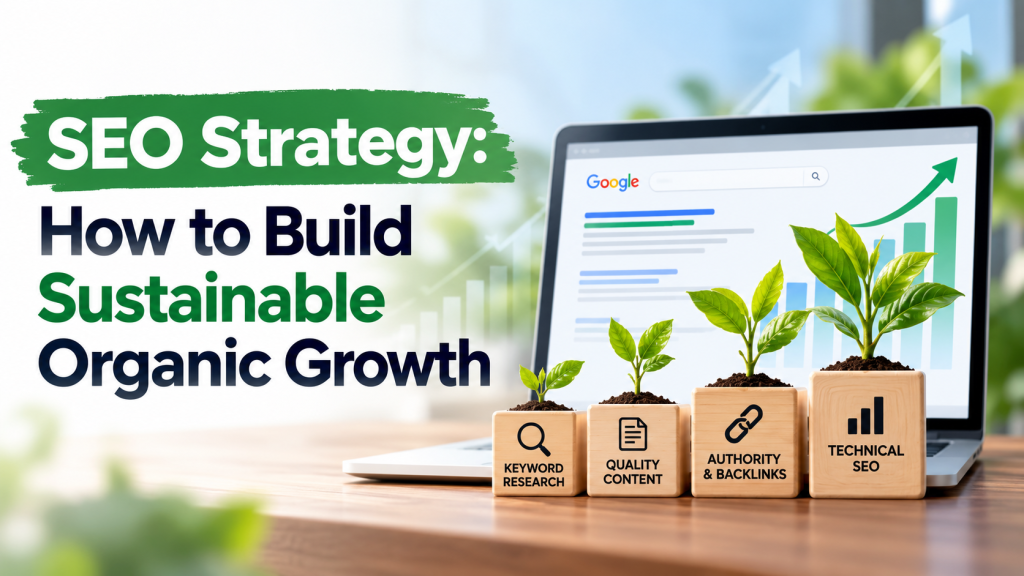
A strong SEO strategy helps the right people find your business when they’re searching for answers, products, or services. Instead of chasing quick wins, it brings together useful content, a well-structured website, and a clear understanding of what your audience needs.
Whether you’re building an in-house plan or considering professional SEO services, these steps can help you create a strategy that supports long-term growth.
1. Start With Your Audience and Goals
Before choosing keywords, decide what you want SEO to achieve. You might want to increase qualified website visits, generate more enquiries, or help customers discover a specific product.
Then consider what your audience searches for at each stage of their decision:
- Learning: “How does local SEO work?”
- Comparing: “Best SEO strategy for a small business”
- Taking action: “SEO services for small businesses”
Understanding these needs helps you create pages that answer real questions and guide visitors toward a useful next step.
2. Choose Keywords Based on Search Intent
Keyword research is about more than finding popular phrases. You need to understand what someone expects to find after searching.
For example, a person searching for “SEO services” may be comparing providers, looking for a service overview, or trying to understand what SEO includes. A page targeting this keyword should explain the service clearly, describe who it helps, and make it easy to take action.
Look for a balanced mix of:
- Core keywords: the main topics your business serves
- Specific phrases: detailed searches that show a clear need
- Question keywords: searches that reveal what your audience wants to learn
- Local keywords: searches that include a city, region, or “near me”
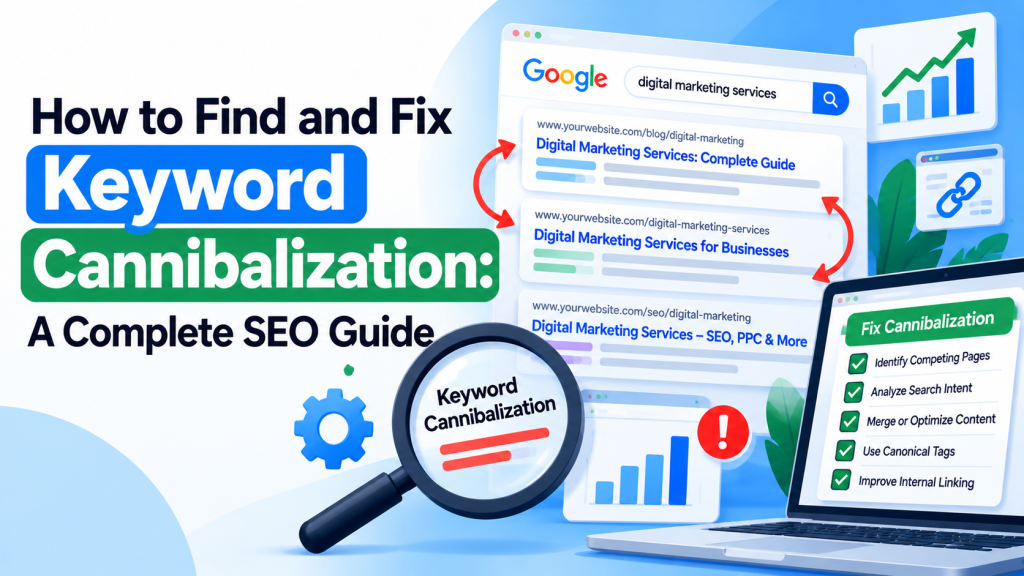
Assign each important keyword to the most relevant page. This helps avoid creating multiple pages that compete for the same search.
3. Create Helpful, Focused Content
Content performs best when it genuinely helps readers. Build pages around the questions, concerns, and decisions your audience has—not just around a list of keywords.
A useful content plan could include:
- Service pages explaining what you offer
- Guides that answer common customer questions
- Comparison articles that help readers evaluate options
- Case studies showing your process and results
- Frequently asked questions that address practical concerns
Use your target phrase naturally in the title, introduction, headings, and relevant body copy. For example, a page about SEO services should explain what those services involve and how they connect to the reader’s goals. Avoid repeating the same phrase where it makes the writing awkward.
4. Make Your Website Easy to Navigate
A search-friendly website should also be easy for people to use. Organize pages into clear sections, link related content together, and make important information easy to find.
A visitor should be able to understand:
- What your business offers
- Who your services are for
- Why your approach may suit their needs
- What to do next
Clear navigation and useful internal links help readers explore your site and help search engines understand how your pages relate to one another.
5. Improve the Technical Basics
Technical SEO helps search engines access and understand your website. It also supports a better experience for visitors.
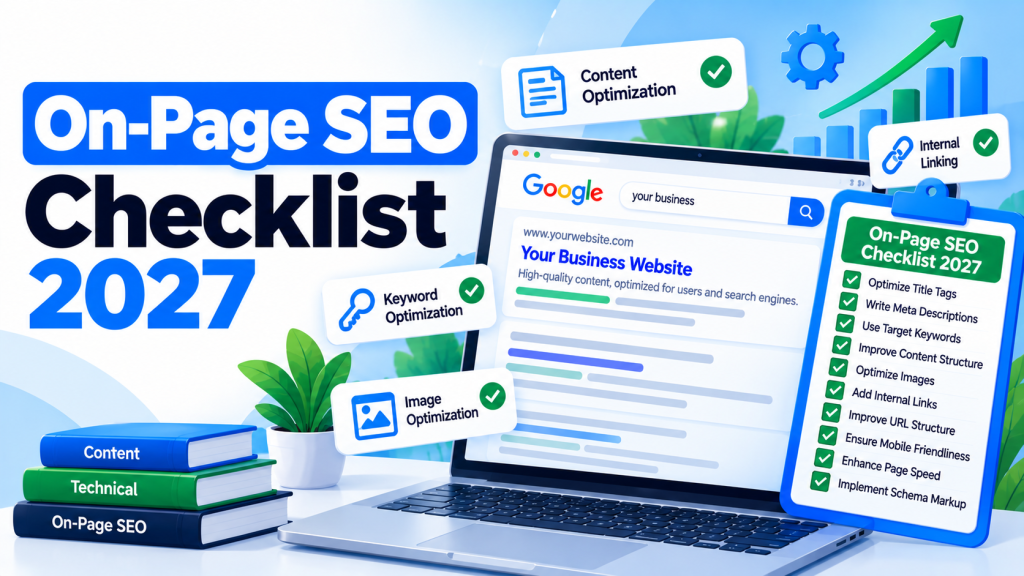
Review whether your site:
- Works well on mobile devices
- Loads reliably and without unnecessary delays
- Uses secure HTTPS connections
- Has clear page titles and descriptions
- Avoids broken links and duplicate pages
- Includes an accurate sitemap
You don’t need to tackle every technical improvement at once. Start with issues that prevent important pages from being found, loaded, or used properly.
6. Build Trust and Authority
People are more likely to choose a business when they can understand its experience and trust its claims. Show your expertise through helpful content, clear service information, customer reviews, and relevant examples of your work.
If you’re evaluating SEO services, look for a provider that explains its process, sets realistic expectations, and connects its recommendations to your business goals. SEO should be transparent enough for you to understand what’s being done and why.
7. Measure Progress and Keep Improving
SEO takes ongoing attention. Track a small set of useful metrics, such as:
- Organic visits to important pages
- Enquiries or sales from organic search
- Search queries bringing people to your site
- Pages gaining or losing visibility
- Conversions from key landing pages
Use the results to decide what to improve next. A page attracting visitors but few enquiries may need clearer information or a more relevant call to action. A useful page with little traffic may need stronger internal links or better alignment with the searches it targets.
Build an SEO Strategy That Lasts
Effective SEO combines audience research, useful content, sound website foundations, and regular review. The goal is not simply to appear in search results—it’s to help the right people find information they can use and take a meaningful next step.
With a focused plan, SEO services can support that work by helping you identify opportunities, improve important pages, and build a steady path to organic growth.